Silicone Vacuum Bag for Glass Lamination Machine Manufacturer
Reusable Silicone Vacuum Seal Bags Supplier
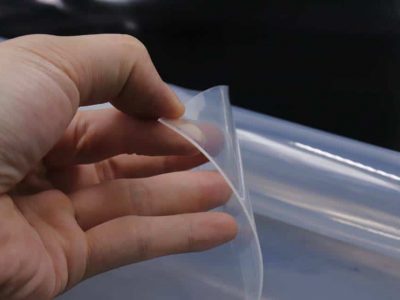
Silicone vacuum bags are critical consumables used in EVA glass lamination processes. A high-quality reusable silicone vacuum bag helps remove trapped air, stabilize the lamination stack, and significantly reduce defects such as bubbles, delamination, and edge leakage.
Suconvey supplies reusable silicone vacuum bags for glass lamination machines, designed for high-temperature cycling, repeated use, and stable vacuum sealing.
Our vacuum bags are widely used in architectural laminated glass, safety glass, decorative glass, and industrial glass lamination lines.
High Temperature Resistant silicone vacuum bag
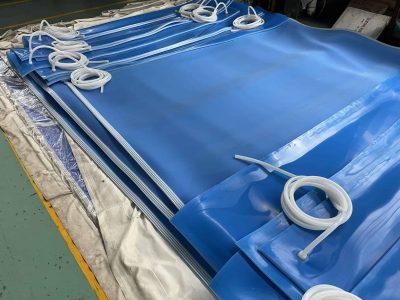
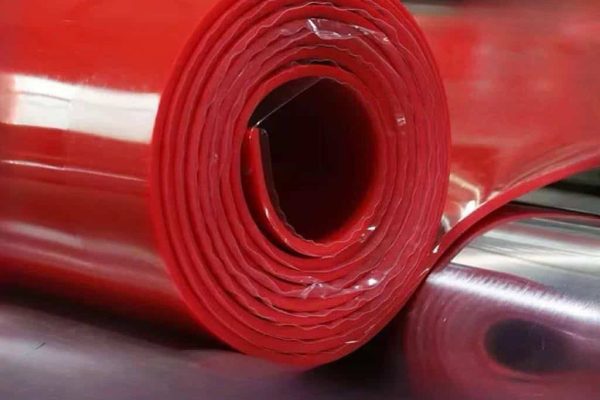
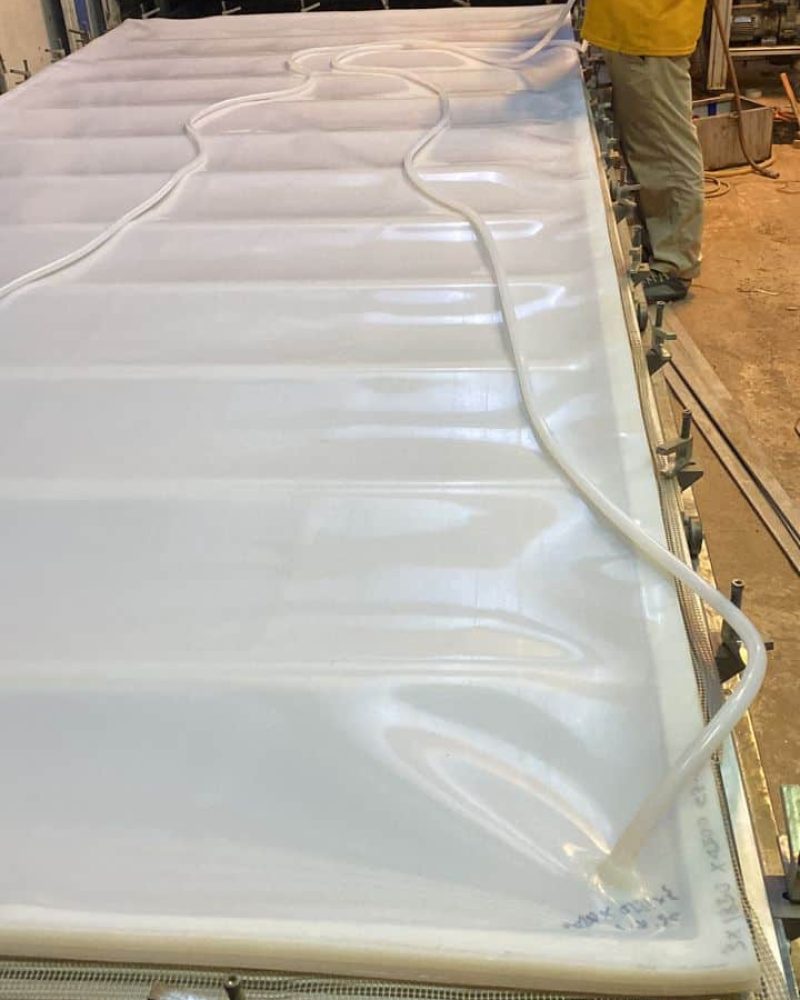
A silicone vacuum bag is a flexible, airtight silicone rubber envelope used to enclose glass sheets and interlayers during lamination. By applying vacuum pressure, the bag removes air between layers and ensures uniform contact during heating and pressing.
Compared with disposable vacuum films, reusable silicone vacuum bags offer:
longer service life
more stable vacuum performance
lower long-term operating cost
consistent lamination quality
Product Details
High Tear Strength Silicone Rubber Vacuum Bag Supplier
Key Features
High tear strength silicone rubber for repeated handling and loading
Excellent temperature resistance for EVA lamination heating cycles
Stable sealing edges to maintain vacuum throughout the process
Smooth and controlled surface finish to minimize imprint risk
Reusable design for cost-effective long-term operation
Custom sizing available for different lamination machines
China Custom Silicone Vacuum Bag Manufacturer
Technical Specifications
| Item | Typical Data | Notes |
|---|---|---|
| Product | Reusable Silicone Vacuum Bag | For glass lamination machines |
| Material | Silicone Rubber | Upgraded compounds available |
| Temperature Resistance | -40℃ to 260℃ | Typical EVA lamination range |
| Surface Finish | Smooth / Matte / Wave | Custom pattern available |
| Key Performance | Tear resistance, vacuum sealing | Selected by production frequency |
| Customization | Size, thickness, surface | Provide drawing or machine model |
Why Silicone Vacuum Bags Matter in Glass Lamination
Vacuum bag quality has a direct impact on yield rate and production efficiency. Poor-quality bags often lead to:
unstable vacuum and air leakage
bubble formation inside laminated glass
surface imprinting and optical defects
frequent bag replacement and downtime
Our silicone vacuum bags are engineered to maintain stable sealing performance and tear resistance, even under demanding lamination cycles.
Types of Silicone Vacuum Bags We Supply
Standard Reusable Silicone Vacuum Bag
Designed for routine EVA glass lamination with balanced durability and flexibility.
High Tear Strength Vacuum Bag
Recommended for large-format glass or high-frequency production lines.
High Temperature Resistant Vacuum Bag
For applications with higher lamination temperatures or longer heat-holding cycles.
Custom Silicone Vacuum Bag
Manufactured according to machine model, drawing, or specific lamination requirements, including custom thickness, surface finish, and sealing structure.
Typical Applications
Silicone vacuum bags are widely used in:
EVA laminated safety glass
Architectural laminated glass panels
Decorative laminated glass
Solar and special laminated glass
Industrial flat glass lamination
If your application has special requirements such as large glass size, frequent cycling, or strict surface quality, our engineers can recommend a suitable vacuum bag structure.
Customization Options
We offer extensive customization to match different lamination systems:
Bag size: made to machine dimensions or drawings
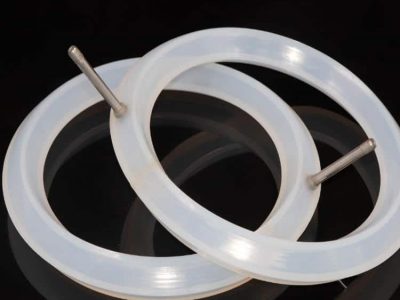
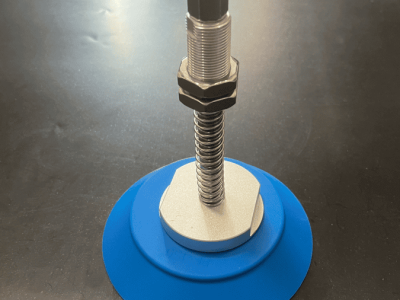
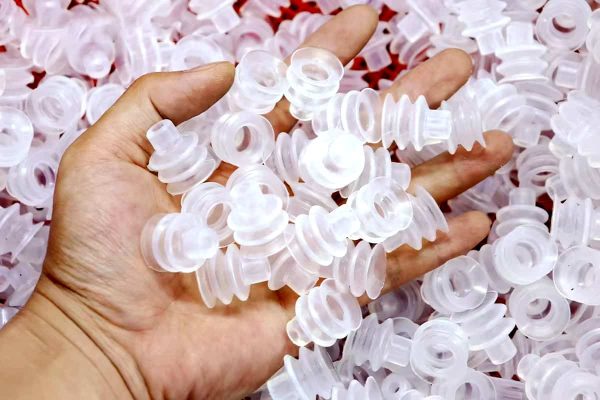
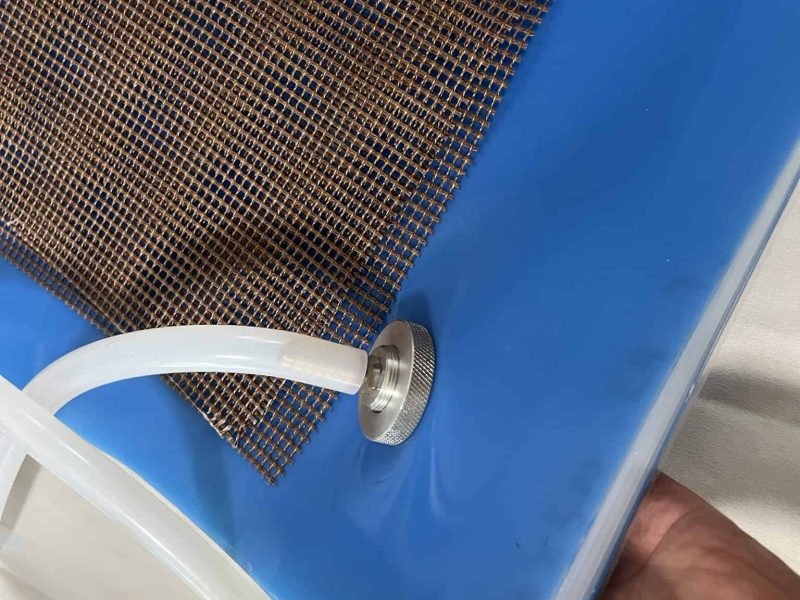
Valve: Stainless Steel, Aluminum or silicone
Surface finish: smooth, matte, wave, or custom pattern
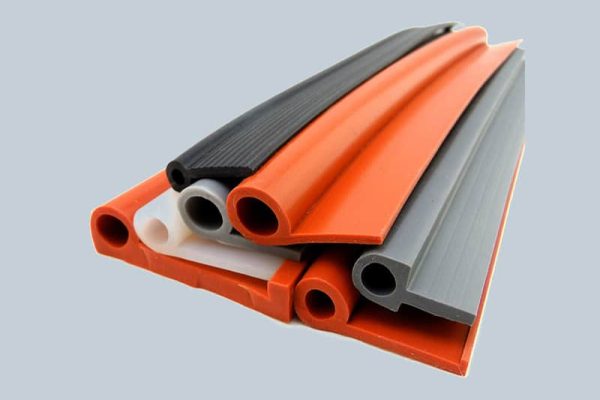
Color: translucent or customized
Material grade: standard or upgraded silicone compounds
How to Choose the Right Silicone Vacuum Bag
To select the most suitable vacuum bag, please consider:
Maximum glass size and thickness
Heating temperature and cycle time
Frequency of daily production cycles
Vacuum stability requirements
Lamination machine model
Providing this information helps us recommend a durable and cost-effective solution.
Packaging & Shipping Information
To protect the product during global transportation and storage, we apply export-grade packaging and provide flexible shipping solutions.
Pre-Shipment Inspection
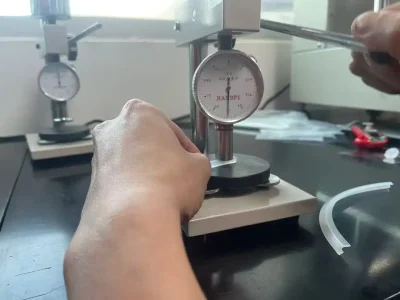
Each batch is inspected before packaging to confirm hardness, thickness, surface condition, and visual uniformity. Batch codes are recorded and compliance documentation may be provided when required for regulatory purposes.
Packaging Method
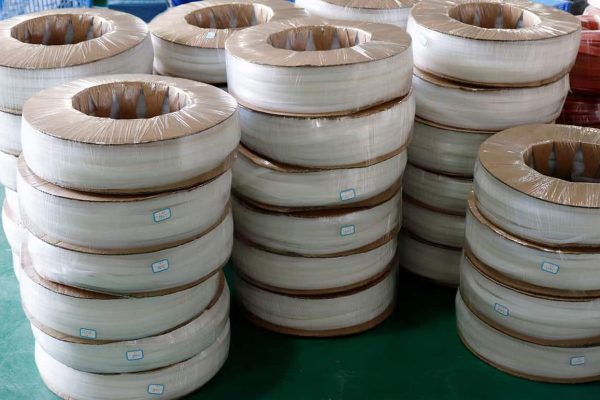
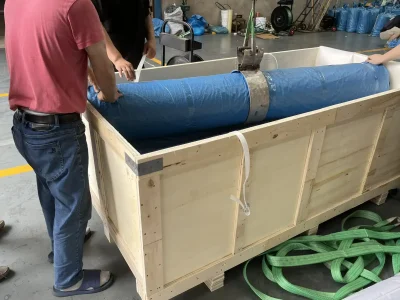
Silicone bags in roll form are wrapped with protective film to prevent dust, moisture, and surface damage. Several rolls are placed into reinforced cartons, which are then secured on fumigation-free pallets using straps and stretch film.
Shipment Options
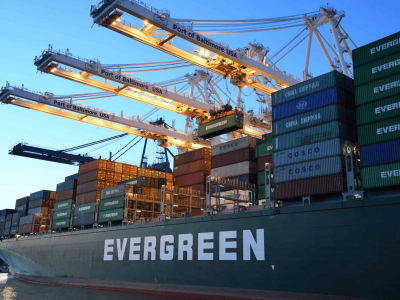
We regularly ship to customers in Europe, North America, and Asia through sea freight, air freight, or express courier for urgent testing needs. Both FCL and LCL shipments are available.

Documentation Support
All necessary export documents can be provided for customs clearance, including commercial invoice, packing list, bill of lading or airway bill, certificate of origin, and food-contact compliance statements or test reports when applicable.

Sample Delivery
Material samples and short test bags can be supplied for validation and equipment trials. Samples can be sent via DHL, FedEx, UPS, TNT, or using your appointed courier account.
After-Arrival Support
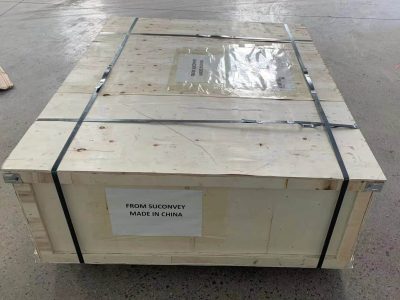
If any damage or discrepancies are discovered during unloading or inspection, customers may contact us within 7 days with photos and batch information. Our team will respond promptly to assess the situation and provide a reasonable solution.
Happy Customers
Year after year, multiple industries recognize Suconvey Rubber as a leader in quality, service, and innovation. We’re proud to be one of the top rubber products manufacturers in the world.
Frequently Asked Questions
If your question is not listed, please contact us.
A silicone vacuum bag is used in EVA glass lamination to remove trapped air between glass and interlayers, ensuring uniform pressure and preventing bubbles or delamination.
Service life depends on lamination temperature, cycle frequency, and handling. Under normal conditions, a high-quality silicone vacuum bag can be reused for many cycles before replacement.
Typical silicone vacuum bags can handle temperatures up to 260°C. For higher or prolonged temperature exposure, special silicone compounds can be used.
Vacuum bag size should match your lamination machine and maximum glass dimensions. Providing machine model or drawings helps ensure proper fit.
Common causes include poor sealing edges, material aging, surface damage, or improper bag size. Using a properly designed silicone vacuum bag reduces these risks.
Yes. We provide custom silicone vacuum bags based on drawings, samples, or machine specifications, including size, thickness, and surface finish.