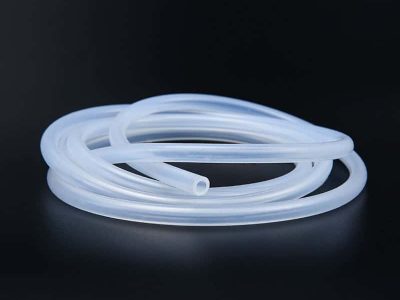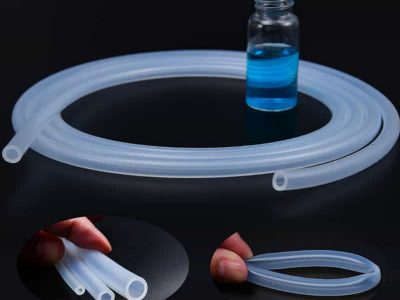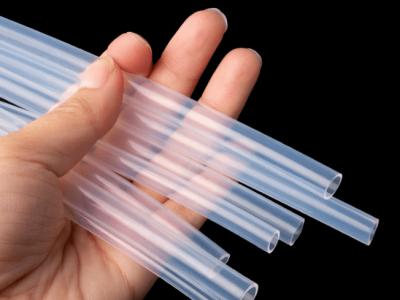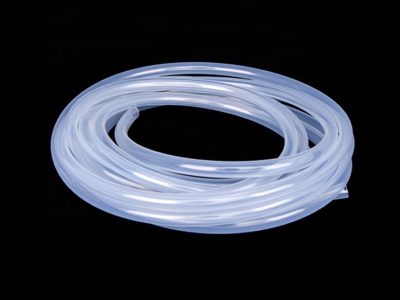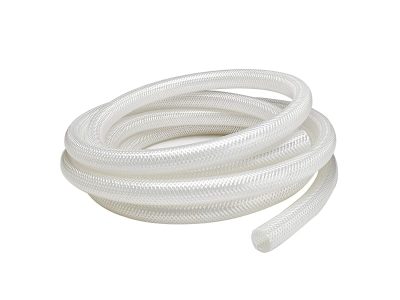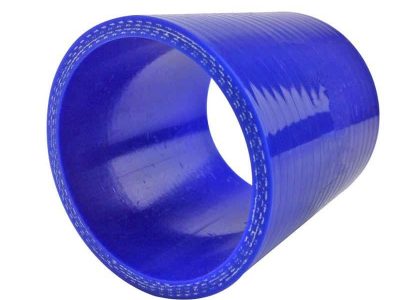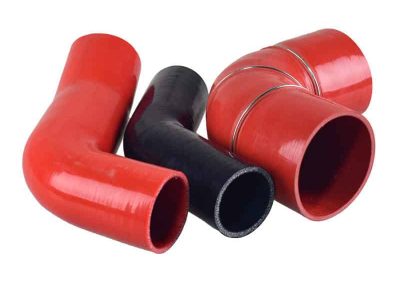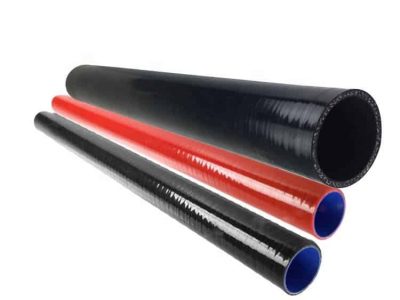

Electric Conductive Silicone Tubing
Anti-static Silicone Tubing Manufacturer
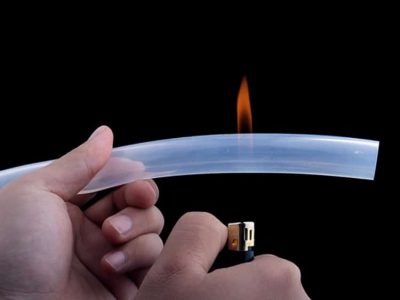
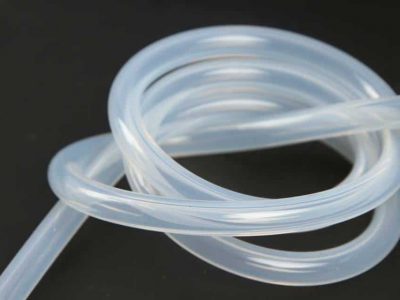
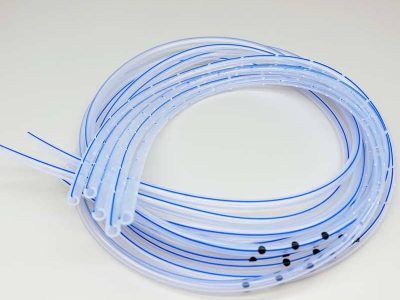
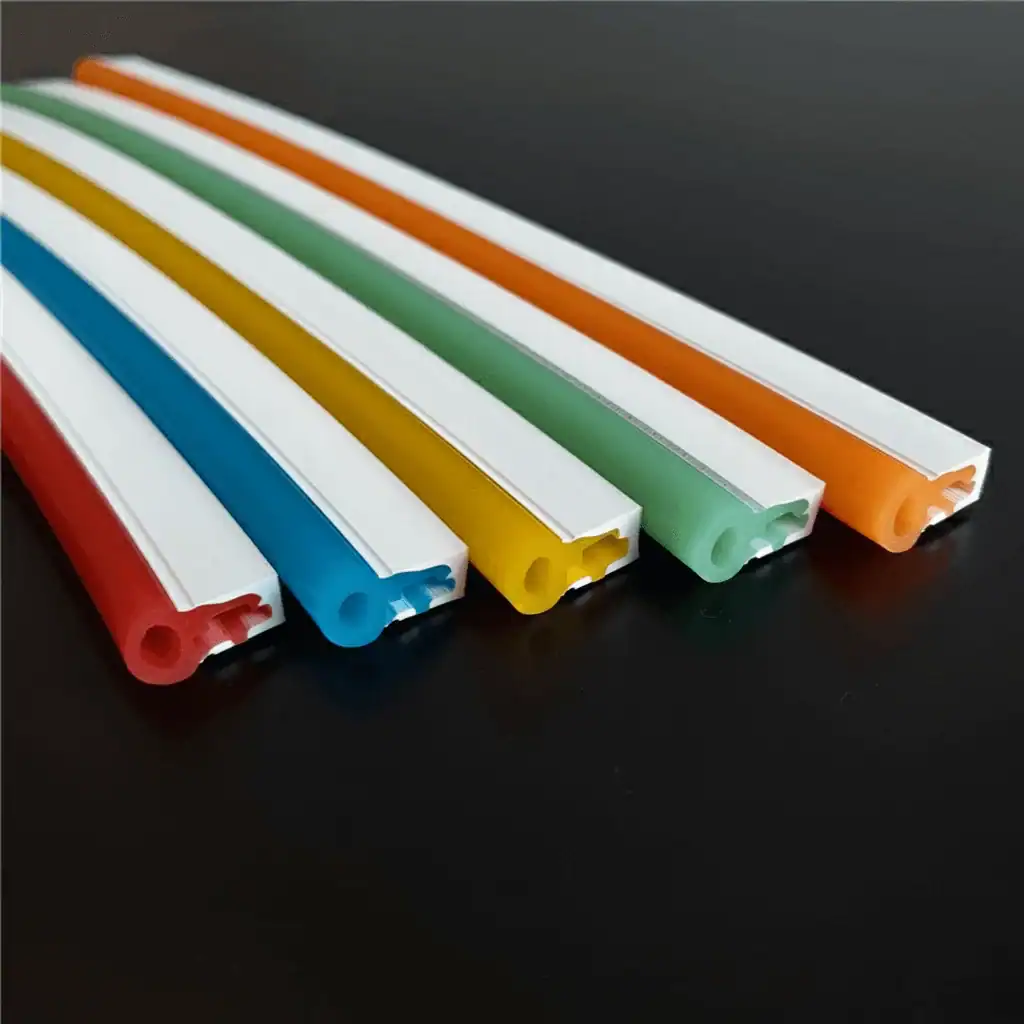
Electric conductive silicone tubing is a specialized elastomer tube that combines the inherent flexibility and thermal resilience of silicone rubber with electrical conductivity — allowing it to serve as both a flexible hose and a conductive interface in electrical and electronic systems.
Suconvey’s electric conductive silicone tubing is designed for engineers and buyers who need reliable conductivity under mechanical movement, consistent shielding, and clean EMI/RFI performance — especially where flexible cable runs, grounding paths or conductive shielding are required.
Whether you are building sensor harnesses, flexible grounding loops, static dissipation paths or conductive seals, this tubing delivers performance that solid rubber or metal solutions can’t easily match.
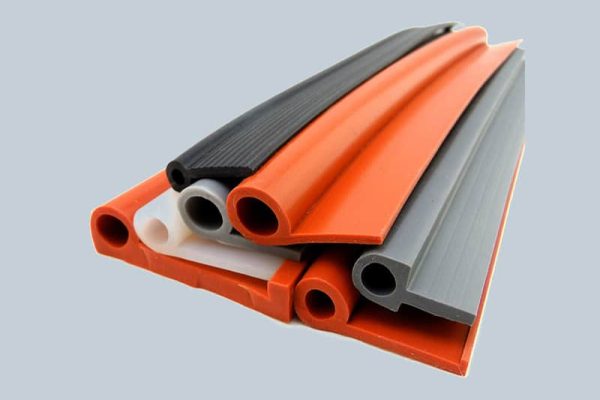
Electric Conductive Silicone Rubber Tubing
Traditional silicone tubing excels at flexibility and temperature tolerance, but lacks electrical conductivity.
Electric conductive silicone tubing is produced by compounding conductive fillers (such as carbon black, silver, nickel or other conductive additives) into the silicone elastomer, creating a conductive elastomer tube that:
✔ Conducts electrical charge consistently
✔ Maintains flexibility over temperature cycling
✔ Provides contact across moving interfaces
✔ Offers EMI/RFI attenuation paths
This makes it ideal for applications where a flexible conductive path is needed, but metal braids or rigid conductors are impractical.
Product Details
Anti-static Silicone Rubber Tubing Supplier
Key Features
Reliable Electrical Conductivity: The tube has consistent surface conductivity and volume conductivity. Rather than relying on discrete wires or metal braids, the tubing itself can carry the conductive function.
Flexible & Soft for Dynamic Systems: Many conductive solutions force rigidity — not this tubing.
Because it is silicone based, it stays flexible under movement, vibration and repeated bending.
Thermal & Environmental Resilience: wide temperature tolerance (doesn’t embrittle in cold or soften in heat), resistance to UV, ozone and weathering, aging resistance for long service life
Precision Shielding & EMI/RFI Compatibility: In sensitive electrical systems, conductive silicone tubing provides consistent electrical contact, This is especially useful in electronics housings, instrument panels and flexible conduits near signal paths.
China Electric Conductive Silicone Tubing Manufacturer
Technical Specifications
| Electric Conductive Silicone Tubing – Typical Specifications | |
|---|---|
| Material | Silicone elastomer with conductive filler |
| Electrical Conductivity | Surface & Volume (customizable resistance range) |
| Temperature Range | −60°C to +200°C |
| Hardness | Shore A 30 – 80 |
| Inner Diameter (ID) | 1 mm – 80 mm (custom) |
| Outer Diameter (OD) | 2 mm – 100 mm |
| Wall Thickness | 0.5 mm – 10 mm |
| Flexibility | Excellent under dynamic loads |
| Environmental Resistance | UV, ozone, weather and aging resistant |
| Available Forms | Coils, cut lengths, OEM packs |
Expanded Applications
Flexible Cable Harnesses
Used in systems where harnesses must be grounded or need static dissipation.
- machine tool cables
- robotics harness circuits
- automotive sensor bundles
Grounding & Static Dissipation
In assemblies where static buildup can cause performance issues, conductive silicone tubes provide a soft, long-lasting discharge path.
EMI/RFI Shielding Paths
Used where flexible shielding is needed without rigid metal components.
- shielded flexible conduits
- sensor lead shielding
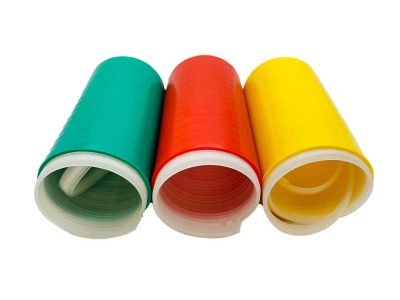
- connector shielding boots
Conductive Seals & Interfaces
In equipment where a seal must also provide an electrical contact:
- conductive sleeve interfaces
- shielding gasket tubes
- conductive cable pass-throughs
Why Choose Suconvey?
Suconvey provides more than just tubing — we offer engineering support, quality assurance and tailored supply solutions to help your project succeed:
---Deep Material Expertise
- Over 10+ years specializing in silicone tubing and hose for industrial, food, beverage and pharmaceutical markets.
- Understand performance tradeoffs for tubing under temperature, pressure, flex cycles and hygiene requirements.
---Custom Design Support
- Size optimization for flow rates and installation space
- Material selection (solid vs sponge) based on media, pressure and cleaning methods
- Surface finish that supports CIP/SIP sanitation
- Wall thickness vs flexibility design for bend radius and abrasion resistance
---Flexible MOQ & Sample Support
- Support small and pilot orders before production scaling
- Quick turn pre-production samples to verify fit and performance
- Customized packaging and labeling per project needs
---Global Supply & On-time Delivery
- Efficient logistic planning to keep your production on schedule
- Export packing optimized for protection, cleanliness and traceability
How to Choose the Right Electric Conductive Silicone Tubing?
Conductivity Requirements
- Surface conductivity
- Volume conductivity
- Specific resistance range (ohms/cm)
We can tailor fillers and construction to achieve your target conductivity.
Mechanical & Environmental Conditions
- Operating temperature range
- Movement cycles
- Exposure to UV, ozone or contaminants
This helps balance conductivity with durability.
Dimensions & Fit
- Inner diameter (ID)
- Outer diameter (OD)
- Length per run
This ensures tubing fits and performs as intended.
Packaging & Shipping Information
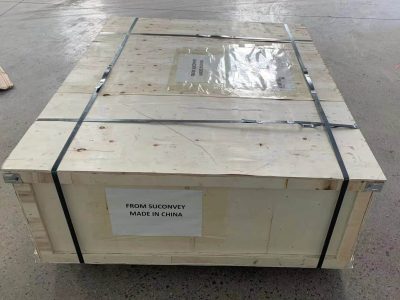
To protect the product during global transportation and storage, we apply export-grade packaging and provide flexible shipping solutions.
Pre-Shipment Inspection
Each batch is inspected before packaging to confirm hardness, thickness, surface condition, and visual uniformity. Batch codes are recorded and compliance documentation may be provided when required for regulatory purposes.
Packaging Method
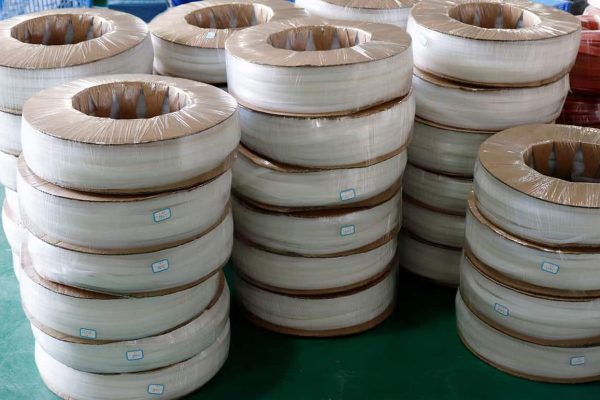
Silicone tubes are wrapped with protective film to prevent dust, moisture, and surface damage. Several rolls are placed into reinforced cartons, which are then secured on fumigation-free pallets using straps and stretch film.

Shipment Options
We regularly ship to customers in Europe, North America, and Asia through sea freight, air freight, or express courier for urgent testing needs. Both FCL and LCL shipments are available.

Documentation Support
All necessary export documents can be provided for customs clearance, including commercial invoice, packing list, bill of lading or airway bill, certificate of origin, and food-contact compliance statements or test reports when applicable.

Sample Delivery
Material samples and short test tubes can be supplied for validation and equipment trials. Samples can be sent via DHL, FedEx, UPS, TNT, or using your appointed courier account.

After-Arrival Support
If any damage or discrepancies are discovered during unloading or inspection, customers may contact us within 7 days with photos and batch information. Our team will respond promptly to assess the situation and provide a reasonable solution.
Happy Customers
Year after year, multiple industries recognize Suconvey Rubber as a leader in quality, service, and innovation. We’re proud to be one of the top rubber products manufacturers in the world.
Related Products
Frequently Asked Questions
If your question is not listed, please contact us.
Conductive silicone tubing is silicone elastomer compounded with conductive additives that allow the tubing itself to carry electrical charge or provide grounding/shielding functionality.
Yes, properly compounded conductive silicone achieves consistent surface and volume conductivity. We can tailor the resistance level based on application needs.
Yes — its conductivity and flexibility make it suitable for flexible grounding paths in cable harnesses and enclosures.
Yes — in many cases, conductive silicone tubing can act as part of flexibility-friendly shielding solutions where rigid braid is impractical.
There is always a balance between conductivity and elasticity, but through compound engineering we optimize both properties for your specific need.
MOQ: Flexible, often low quantity support to help prototyping or small runs
Sample Lead Time: 1–3 business days for standard sizes
Production Lead Time: Depends on size and order volume, typically 1–3 weeks