Silicone Rubber Roller for Hot Stamping
Custom Rubber Roller for Hot Stamping Supplier
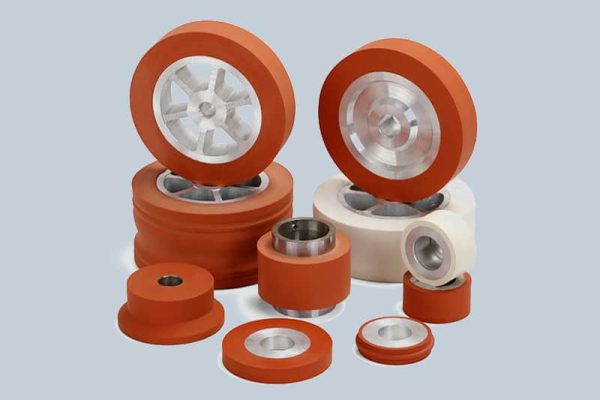
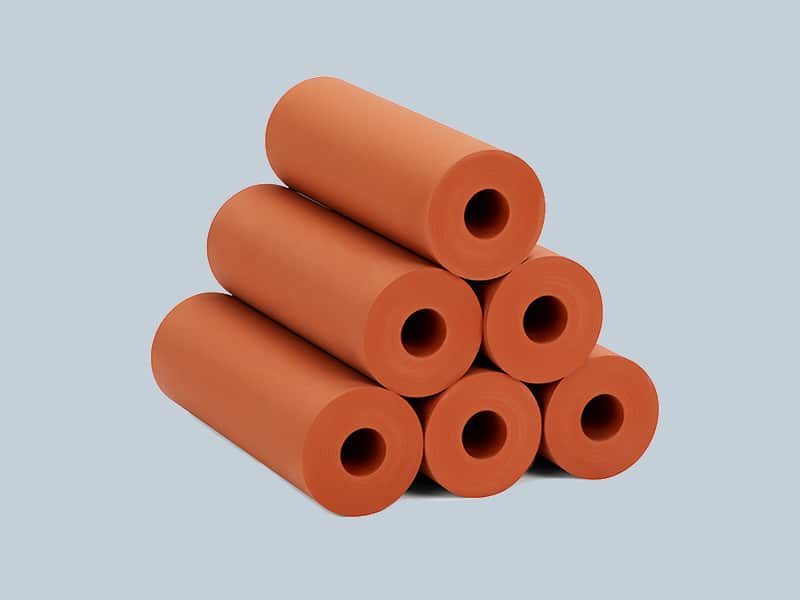
Silicone rubber roller for hot stamping is used to transfer pressure and heat in a controlled way during foil stamping, thermal transfer, decorative imprinting, and other hot contact processes.
In hot stamping applications, the roller needs to do more than rotate smoothly. It must handle heat, resist sticking, maintain surface consistency, and deliver even contact across the workpiece. A stable silicone roller helps improve transfer quality, reduce marking defects, and support cleaner surface results on films, paper, leather, plastics, textiles, and other processed materials.
Why Silicone Is Used for Hot Stamping Rollers
Silicone is widely used for hot stamping rollers because it combines heat resistance, elasticity, and non-stick surface behavior. These properties help the roller maintain contact quality under elevated temperature while also reducing unwanted adhesion during transfer.
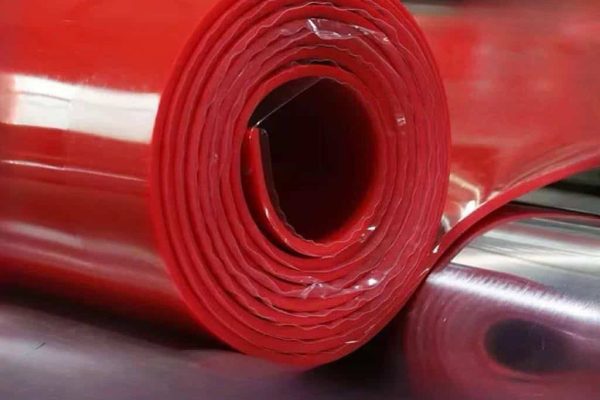
Excellent heat resistance, mold release characteristics, smooth surface finish, wide functioning temperature range, and strong durability. Silicone foamed rollers are available, along with food grade and industrial grade material options.
Product Details
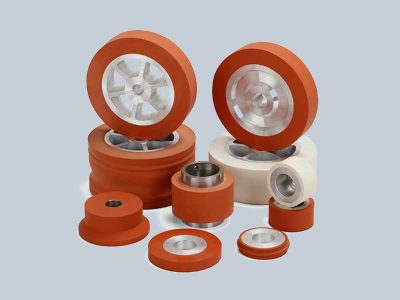
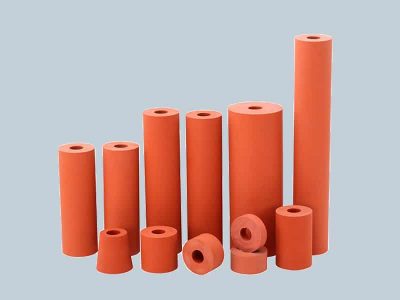
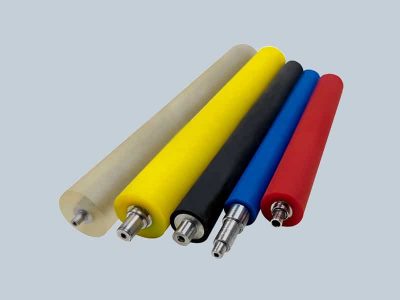
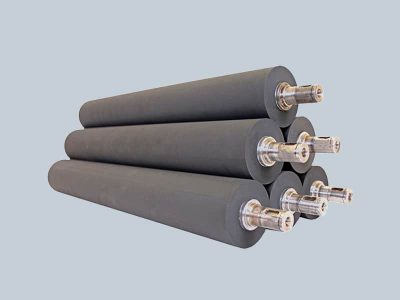
Custom silicone rubber hot stamping roller Supplier
Main Advantages
- Good heat resistance for hot stamping processes
- Non-stick surface behavior for cleaner transfer
- Smooth roller finish for stable contact quality
- Available in a wide size range
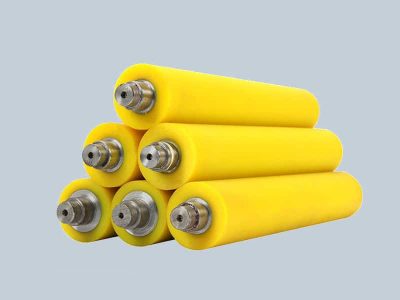
- Solid and foamed silicone roller options available
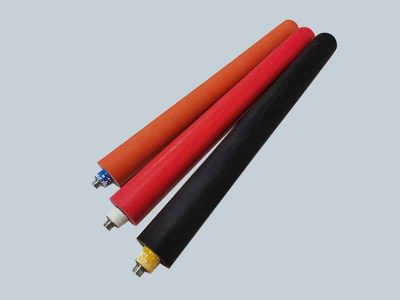
- Custom hardness, color, and dimensions available
- Suitable for repeated production use in heated processing environments
China Silicone rubber roller for hot stamping Manufacturer
Technical Specifications
| Item | Specification |
|---|---|
| Product Name | Silicone Rubber Roller for Hot Stamping |
| Color | Pantone card and transparent |
| Specific Gravity | 0.9-1.3 g/cm³ |
| Hardness | 20-90 Shore A |
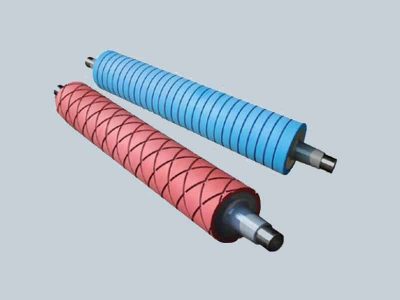
| Appearance | Smooth / Wave / Matte |
| Working Temperature | -60°C to 350°C |
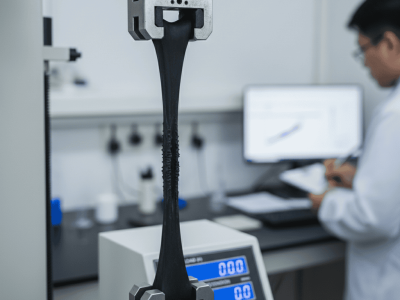
| Tear Strength | Up to 25 MPa |
| Elongation | 300-650% |
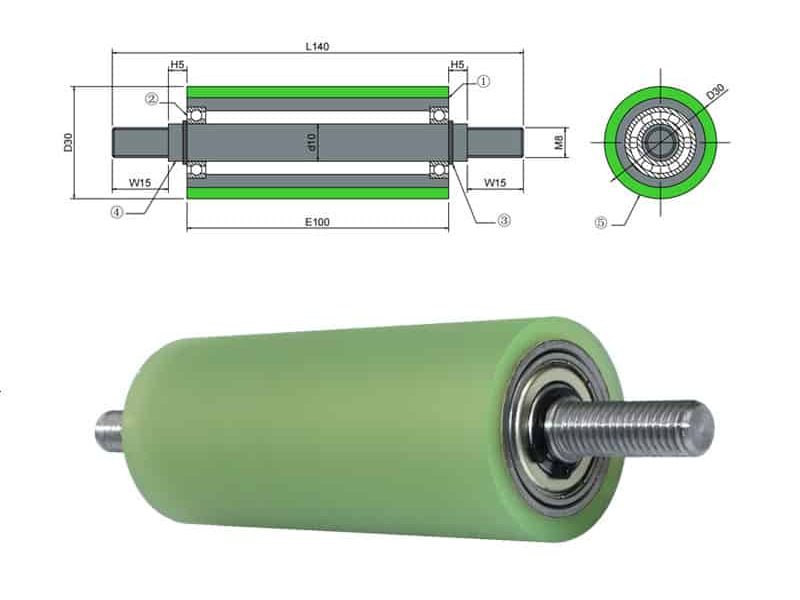
| Inside Core | Steel, stainless steel, Aluminum, or without core |
| Material Options | Silicone, sponge silicone, PU, HDPE |
| Typical Applications | Hot stamping, foil transfer, laminating, textile processing, glue application, heated surface transfer |
Custom Hot Foil Stamping Silicone Roller Factory in China
If you are sourcing a silicone rubber roller for hot stamping, the most important step is to match the roller structure to the real process condition. A good hot stamping roller should combine heat resistance, clean surface performance, and stable dimensional control.
For custom projects, sending the roller drawing, process temperature, substrate type, required hardness, and estimated quantity will help shorten sampling time and improve fit from the start. We supports drawing-based customization and sample service, which makes it suitable for OEM and replacement roller projects.
Common Applications
Silicone hot stamping rollers can be used in:
- Hot foil stamping
- Thermal transfer processes
- Decorative surface imprinting
- Laminating-related heated contact applications
- Textile processing
- Glue application lines
- Packaging and converting equipment
- Custom heated pressure transfer systems
What We Can Customize

- Inner diameter
- Outer diameter
- Roller length
- Hardness range
- Smooth, wave, or matte appearance
- Solid or foamed silicone structure
- Metal core, plastic core, or coreless design
- Color and surface pattern options
- Cut-to-size and drawing-based production support
Why Custom Silicone Hot Stamping Rollers Matter
In hot stamping work, surface consistency is critical. A roller that is too soft may deform too much. A roller that is too hard may reduce contact quality on uneven surfaces. If the release behavior is unstable, the stamping result can become inconsistent from one run to the next.
A custom silicone roller makes it easier to match the actual process condition. Diameter, hardness, surface finish, and core structure can all affect transfer quality. For machine builders and production users, a well-matched roller usually improves repeatability and reduces trial-and-error during setup.
Packaging & Shipping Information
To protect the product during global transportation and storage, we apply export-grade packaging and provide flexible shipping solutions.

Pre-Shipment Inspection
Each batch is inspected before packaging to confirm hardness, thickness, surface condition, and visual uniformity. Batch codes are recorded and compliance documentation may be provided when required for regulatory purposes.
Packaging Method
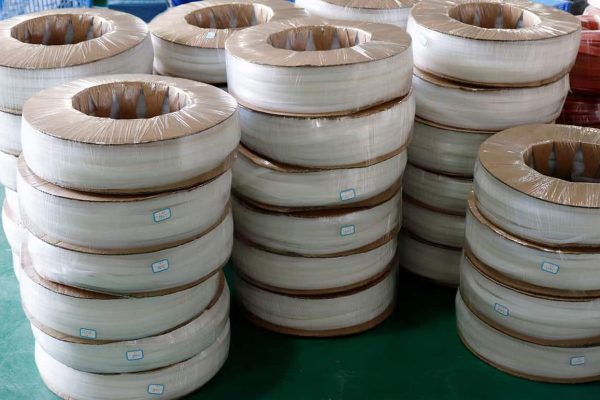
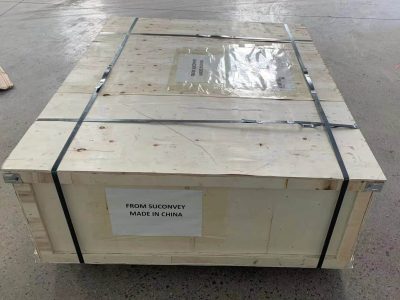
Rubber Rollers are wrapped with protective film to prevent dust, moisture, and surface damage. Several rolls are placed into reinforced cartons, which are then secured on fumigation-free pallets using straps and stretch film.

Shipment Options
We regularly ship to customers in Europe, North America, and Asia through sea freight, air freight, or express courier for urgent testing needs. Both FCL and LCL shipments are available.

Documentation Support
All necessary export documents can be provided for customs clearance, including commercial invoice, packing list, bill of lading or airway bill, certificate of origin, and food-contact compliance statements or test reports when applicable.

Sample Delivery
Material samples and short test rollers can be supplied for validation and equipment trials. Samples can be sent via DHL, FedEx, UPS, TNT, or using your appointed courier account.
After-Arrival Support
If any damage or discrepancies are discovered during unloading or inspection, customers may contact us within 7 days with photos and batch information. Our team will respond promptly to assess the situation and provide a reasonable solution.
Happy Customers
Year after year, multiple industries recognize Suconvey Rubber as a leader in quality, service, and innovation. We’re proud to be one of the top rubber products manufacturers in the world.
Frequently Asked Questions
If your question is not listed, please contact us.
Before ordering, it helps to confirm:
- Machine type
- Roller inner and outer diameter
- Working temperature range
- Required hardness
- Surface finish preference
- Substrate material
- Whether the roller needs a core and what core type is required
A suitable hot stamping silicone roller should keep stable shape under heat, provide smooth and even contact, and maintain reliable release performance through repeated cycles.
It is best to send the roller drawing or dimensions, inner and outer diameter, hardness target, working temperature, substrate type, core requirement, and estimated quantity.
Yes. Metal, plastic, or no core as available inside-core options. The right choice depends on machine structure, load, and installation method.
Yes. Heat resistant silicone rollers, laminating rollers, textile processing rollers, and glue applicator rollers, which indicates broader use in heated contact and processing lines.